10 Things You Should Never Do in Korea as a Tourist
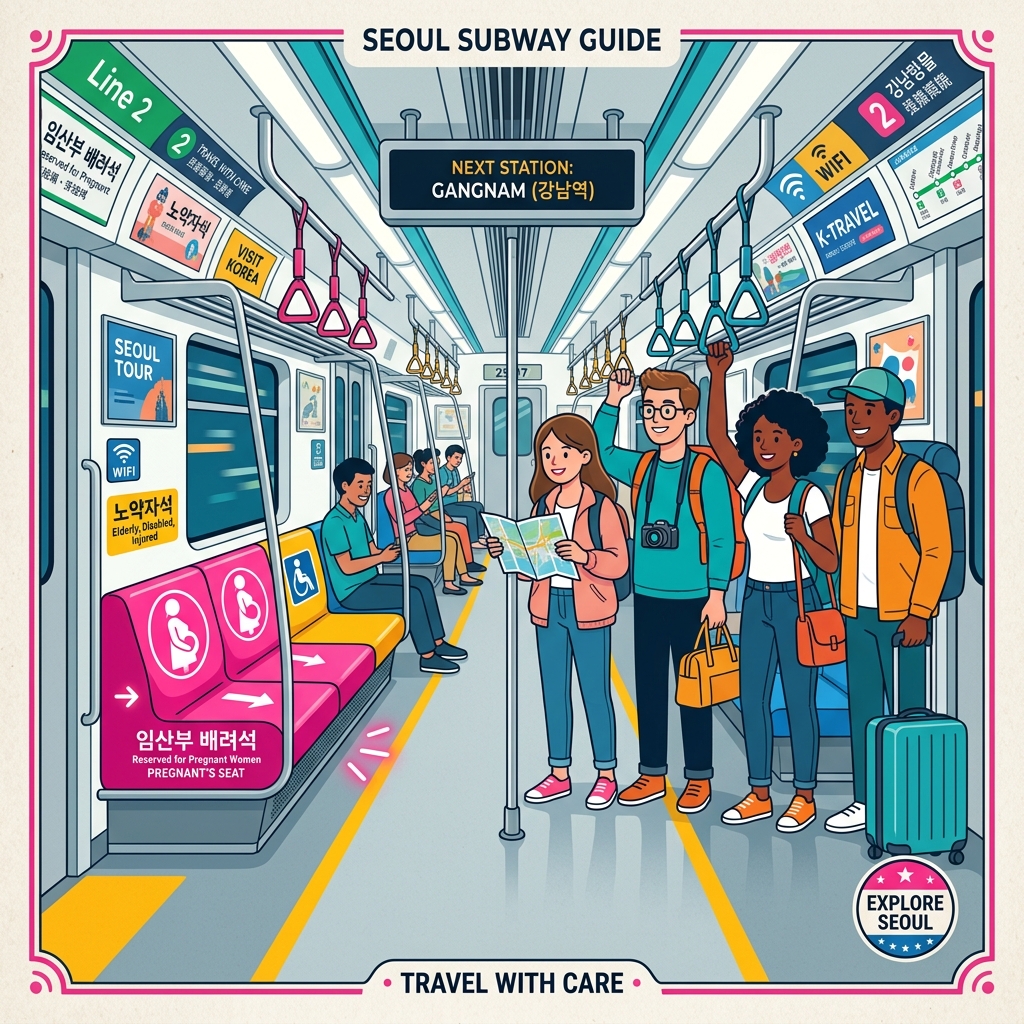
10 Things You Should Never Do in Korea as a Tourist
Introduction to South Korean Social Etiquette
Navigating the vibrant streets of Seoul requires looking past standard tourist landmarks to observe the deep-rooted cultural customs that govern daily life. South Korean society places immense value on communal respect, order, and consideration for others. For international visitors, a lack of awareness regarding local taboos can quickly cause social awkwardness or elicit direct disapproval from residents.
Based on municipal guidelines and social tracking data, avoiding these ten critical mistakes ensures a smooth, respectful holiday across the capital's transit and retail networks.
1. Sitting in Designated Priority Seats on the Subway
The most visible cultural error executed by international arrivals occurs inside the municipal train carriages. Every subway car features dedicated red-labeled end seats for the elderly, disabled, or pregnant women, alongside specific pink seats for expectant mothers.
Unlike in Western transit networks where commuters sit in empty priority chairs until someone in need boards, in Korea, these seats remain completely empty even during peak rush hour crowds. Occupying them as a healthy tourist is viewed as highly disrespectful.
2. Talking Loudly on Public Transportation
Seoul's metropolitan buses, subways, and high-speed KTX trains operate as quiet zones. Locals utilize their daily commute times to rest quietly or scroll through smartphones using headphones.
Speaking in loud conversational tones, laughing audibly, or taking voice calls on speakerphone breaks local social codes. If your smartphone sounds an incoming alert, a useful tip is to keep your voice to a lowered whisper or wait until you step off the vehicle platforms to complete the call.
3. Using Only One Hand for Financial Transactions
When exchanging cash Won banknotes, clearing balances at convenience store registers, or handing over your passport to a hotel front desk clerk, never use a single hand. Handing an object over with one hand can look dismissive or careless.
The respectful approach requires using both hands to present or receive an item. Alternatively, you can support your right forearm or elbow gently with your left hand, a traditional nonverbal gesture of genuine modesty.
4. Sticking Chopsticks Upright in Your Rice Bowl
During meal stops at local diners or traditional markets, mind your cutlery placement rules. Never plunge your physical metal chopsticks vertically into a bowl of warm white rice.
This specific arrangement mimics the visual layout of incense sticks burned at traditional Korean funerals and ancestral memorial rites. Leaving your chopsticks standing upright brings an association with bad luck. Instead, rest them flat across the rim of your bowl or place them onto the small designated table holders provided on the counter.
5. Pouring Your Own Alcoholic Drinks in Social Settings
If your travel party joins a group dining setup or samples traditional Soju or Makgeolli with local acquaintances, avoid the urge to top up your own small glass. In Korean drinking customs, pouring your own drink is considered poor manners and slightly anti-social.
The proper protocol is to pour drinks for others at the table first. When your companion notices your empty glass, they will reciprocate the gesture. Ensure you accept the incoming pour using both hands as a sign of respect.
6. Blowing Your Nose Openly at the Dining Table
Experiencing the deep, fiery chili broths of traditional Korean stews can instantly trigger your sinuses. However, pulling out a tissue and blowing your nose loudly directly at the dining table is considered unhygienic and impolite to surrounding diners.
If you encounter physical discomfort mid-meal, sniffle quietly or excuse yourself from the table asset to use the restroom facilities where you can clear your sinuses in private.
7. Wearing Shoes Indoors (Homes, Guesthouses, Traditional Venues)
The distinction between outdoor pavement zones and indoor living floors is strictly enforced across South Korea. Shoes must be removed immediately at the entrance of any private home, traditional Hanok guesthouse, temple floor, or low-table traditional restaurant.
The clear visual indicator is a raised wooden step or a dedicated shelf unit positioned right by the doorway. Walking past this boundary line with shoes on introduces severe cleanliness violations.
8. Attempting to Leave Cash Tips for Service Staff
Unlike the consumer customs active across North America, tipping is not practiced anywhere in South Korea. Attempting to leave extra cash Won bills on a restaurant tabletop or handing cash to a taxi driver creates immediate confusion.
Service staff view the gesture as an unnecessary mistake and will chase you down the street to return the forgotten cash. Excellent service is already built directly into the base face-value price displayed on the bill.
9. Pointing Directly at People with Your Index Finger
Indicating a specific local pedestrian or restaurant worker by pointing directly with your index finger is viewed as aggressive and confrontational.
If you must guide someone's visual attention toward a location or individual, gesture politely using your entire open hand, with your palm facing upward. Similarly, if you need to flag a city taxi curb-side, wave your hand gently with your palm facing downward toward the asphalt lane.
10. Disregarding Strict Waste Separation and Recycling Rules
South Korea maintains one of the most rigorous garbage classification and recycling grids in the world. Trash must be divided into separate target bins for plastics, paper, aluminum cans, food waste, and general non-recyclables.
Mixing these categories together inside public bins or vacation rentals is highly frowned upon and can result in significant municipal administrative fines. When exploring, carry a small trash bag in your daypack to handle your empty coffee cups until you locate an official sorted recycling repository.
Frequently Asked Questions (FAQ)
Q1: What happens if a tourist accidentally sits in a subway priority seat?
While you will not face an official financial fine, you will instantly receive disapproving stares from surrounding commuters. If an elderly passenger or pregnant woman boards the carriage, you should stand up immediately to relinquish the seat asset and clear any social friction.
Q2: Is it illegal to take close-up photos of local people on the streets?
South Korea enforces strict privacy protection laws regarding portrait rights. Filming or taking close-up photographs of strangers in public zones without securing explicit verbal permission beforehand can lead to legal disputes or police intervention if a complaint is filed.
Q3: Are short skirts or shorts considered inappropriate dress inside Seoul?
Local fashion trends heavily embrace short skirts and shorts across major youth entertainment districts like Hongdae. However, showing excessive cleavage or bare shoulders is still viewed as overly revealing by older generations, especially when visiting historic temple grounds.
Q4: Should I bow deeply when greeting a retail cashier or hotel clerk?
A full, deep bow is reserved for formal ceremonial interactions. For standard daily retail exchanges, a polite smile paired with a slight nod of your head while presenting your payment card with both hands conveys the perfect level of mutual respect.
Q5: Can I eat food or drink coffee while riding municipal city buses?
No. Municipal transit laws strictly prohibit passengers from boarding city buses while holding open takeout coffee cups, uncovered food skewers, or unsealed beverage containers to prevent accidental spills and maintain cabin safety.
[ 하단 리소스 박스 / 라이브 예약 보관소 ]
현지 문화 마찰 최소화와 불필요한 공항 대기 지연 없이 즉시 스마트폰으로 교부받는 공인 고속 철도 교통 패스권 및 핵심 거점 역세권 숙소 데이터는 아래 공식 문서에서 조회가 가능합니다.
"Navigating local public transit networks with silent compliance prevents unnecessary cultural friction with daily commuters."


Comments
Post a Comment