Incheon Airport Taxi Cost Mistakes to Avoid (2026 Guide)
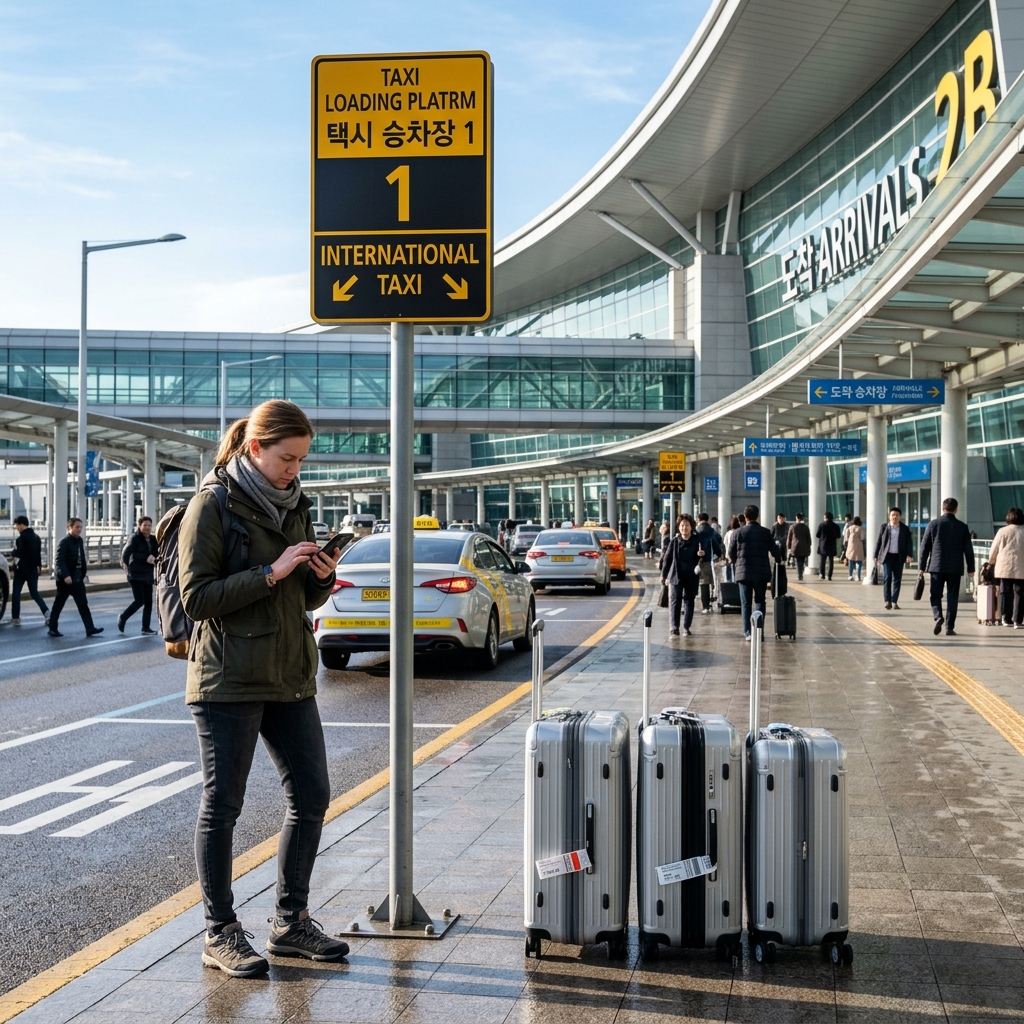
"Landing at Incheon International Airport (ICN) marks the official start of your South Korean holiday, but it also introduces your first major budget variable. For many international arrivals, the immediate temptation after an exhausting long-haul flight is to walk outside and jump into the first available private vehicle. While private transfers offer point-to-point drop-off convenience, navigating the airport ground transport platform without checking local regulations routinely results in unexpected financial leakage. Based on official transport monitoring logs, first-time tourists consistently execute predictable transaction errors that inflate their arrival costs by up to 50% above standard government-regulated tariffs."
Landing at Incheon International Airport (ICN) marks the official start of your South Korean holiday, but it also introduces your first major budget variable. For many international arrivals, the immediate temptation after an exhausting long-haul flight is to walk outside and jump into the first available private vehicle. While private transfers offer point-to-point drop-off convenience, navigating the airport ground transport platform without checking local regulations routinely results in unexpected financial leakage.
Based on official transport monitoring logs, first-time tourists consistently execute predictable transaction errors that inflate their arrival costs by up to 50% above standard government-regulated tariffs.
The Four Most Common Airport Taxi Mistakes
Isolating these operational errors allows independent travelers to protect their initial travel funds from predatory pricing.
1. Accepting Fixed Flat-Rate Solicitations
The most expensive mistake occurs inside the arrival lounge. Unauthorized drivers frequently approach tourists offering fixed, unmetered flat rates to central Seoul hotels, quoting anywhere from KRW 90,000 to KRW 120,000. National transit laws mandate that all standard airport taxis must utilize the electronic taximeter. Any driver refusing to activate the meter at the curb is operating completely outside local transport regulations.
2. Missing the Vehicle Tier Classification
Official airport loading zones separate cars into distinct lines: Standard Sedans (Orange, Silver, or White), Deluxe Mobeom Taxis (Black with a yellow sign), and Jumbo Venti Vans. Walking into the Deluxe or Jumbo line by mistake locks your trip into a significantly higher baseline tariff bracket, doubling the starting cost before the vehicle even exits the airport property boundaries.
Surcharges and Toll Clearance Realities
Failing to calculate auxiliary highway fees can lead to tense checkout friction at your hotel lobby curb.
Every vehicle exiting the airport island must cross major maritime expressways that operate automated toll gates. A standard one-way run into central tourism zones incurs a mandatory KRW 6,600 highway toll charge. This expense is never absorbed by the driver; it is legally appended to the final meter balance at your destination. Furthermore, crossing terminal gates during the midnight phase (23:00 PM to 04:00 AM) triggers an automatic 20% to 40% late-night surcharge multiplier onto the distance metrics.
HeroHaunt Tip #501: If you prefer app-based hailing over walk-up curb lines, open your Kakao T application and swipe left across the final vehicle confirmation screen to select the "Pay to the Driver" track. The app's automated vault rejects foreign credit cards, but selecting driver-direct payment allows you to hand any international Visa or Mastercard straight to the driver at the end of the trip.
Maximizing your arrival efficiency requires comparing the real-world monetary and time costs of surface vehicles against high-speed rail networks.
Related Guide: Review our technical data-driven report: Incheon Airport Express (AREX) ROI & Efficiency Analysis 2026 to calculate the exact math on group ticket costs versus private vehicle metrics before choosing your transport asset.
Frequently Asked Questions (FAQ)
Q1: Where are the official taxi loading platforms located at Terminal 1?
According to airport layout regulations, all authorized municipal taxi bays are positioned explicitly outside the 1st-floor arrivals exits, spanning Platforms 5C through 8C for standard downtown-bound sedans.
Q2: Can a standard sedan taxi accommodate a family of four with four large bags?
No. Standard sedan trunks are physically capped to hold a maximum of two large 28-inch checked suitcases. A travel party of four carrying full vacation luggage must utilize a high-roof Jumbo "Venti" van to ensure safe transport.
Q3: Do local taxi terminals accept contactless international credit cards?
Yes. All authorized municipal vehicles house modern electronic dashboard registers that clear international plastic credit cards, local travel cards, and T-Money chips seamlessly without requiring physical banknote changes.
Q4: Is tipping expected if the taxi driver handles my heavy suitcases?
Tipping is completely absent from the hospitality and transport culture of South Korea. Drivers expect the exact face-value balance displayed on the meter screen, and leaving extra cash can occasionally cause confusion.
Q5: What should I do if a driver demands an arbitrary cash premium upon arrival?
If a driver attempts to bypass the meter or demands unauthorized cash surcharges, preserve a digital photo of the vehicle's official license registry plate and report the interaction directly to the 1330 Korea Travel Hotline for immediate enforcement.
공항 매표소의 긴 수동 대기열과 수수료 누수 마찰을 완벽히 우회하고 할인가로 선점할 수 있는 공인 모바일 고속 교통 패스 및 역세권 가성비 숙소 데이터베이스는 다음과 같습니다.
• 인천공항 초고속 직통열차 AREX 대기 없는 모바일 QR 탑승권 최저가 발급 (클룩 공식 파트너 연동창)
• 서울 시내 주요 대중교통 거점 및 공항 리무진 연계 역세권 추천 호텔 실시간 최저가 조회 (아고다 공식 회원 연동창)


Comments
Post a Comment