Nami Island Day Trip From Seoul: The 3 Critical Transit
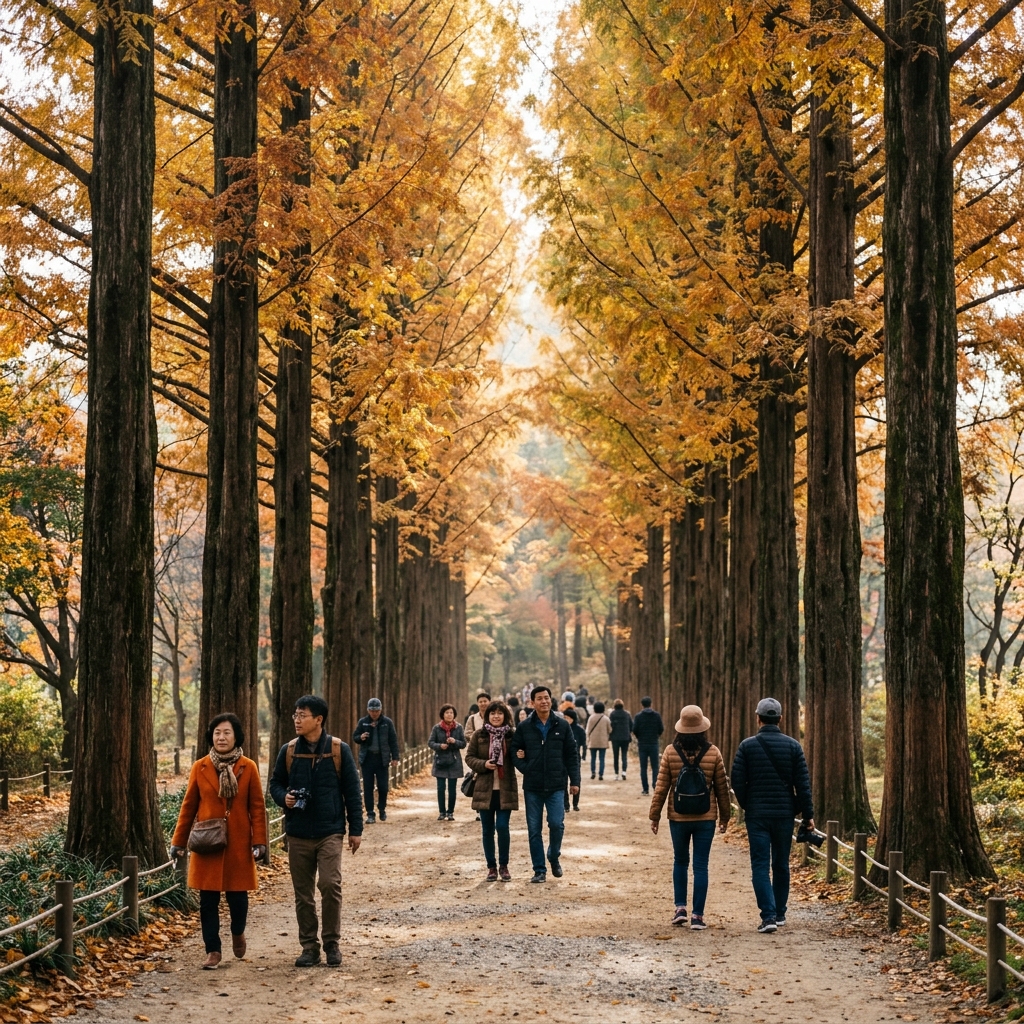
Planning a scenic day trip to Nami Island looks incredibly straightforward when skimming through viral travel clips online. You board a train from central Seoul, catch a quick ferry, and immediately find yourself walking underneath towering rows of pine trees.
In reality, Nami Island sits nearly 63 kilometers northeast of the capital inside Gapyeong County, and its transport pipeline is packed with heavy physical roadblocks. Walking blindly into this regional transit grid without calculating exact transfers can easily trap your family in static queues, wasting up to four hours of your limited sightseeing day.
The Real Pacing and Transit Duration Matrix
Based on regional transport logs and commuter congestion indexes, here is the raw time investment required for different transit pathways from Seoul Station down to the Nami Island ferry dock.
| Transit Mode / Route Option | Average One-Way Travel Time | Total Round-Trip Time Lost | Primary Physical Friction Point |
|---|---|---|---|
| ITX-Cheongchun Express Train | 55 Minutes (Track run) | 2 Hours | Strict seat allocation caps, requires advanced booking |
| Gyeongchun Subway Line (All-Stop) | 85 to 105 Minutes | 3.5 Hours | Extreme multi-station transfer loops, zero seat guarantees |
| Direct Intercity Shuttle Bus | 90 to 130 Minutes | 4.5 Hours | Severe weekend highway bottlenecks leaving the city |
Mistake 1: Relying on the All-Stop Gyeongchun Line
The single largest mistake budget-conscious travelers execute is opting for the standard commuter Gyeongchun subway line using a standard T-Money card. While highly affordable, this route involves riding a slow, multi-stop local train that operates on sparse 20-minute intervals.
The physical friction is immense. Because this line caters heavily to local elderly hikers and regional commuters, cars saturate completely at Sangbong Station. You will likely spend over 80 minutes standing completely upright in a packed train carriage while balancing your daypacks, leading to deep physical fatigue before you even touch the island docks.
Mistake 2: Failing to Lock ITX-Cheongchun Seats Early
The ITX-Cheongchun is a premium, high-speed regional rail asset that darts from Yongsan or Cheongnyangni Station straight to Gapyeong Station in under an hour. It offers assigned airline-style seating and clean climate control.
The Trap: Independent travelers assume they can simply walk up to the terminal screens on a Saturday morning and buy a seat ticket.
The Friction: Weekend seats sell out completely up to two weeks in advance via local commuting apps. A standard seat ticket costs around 9,500 KRW (approx. $7.00 USD), which is only slightly more than the local subway, but offers a guaranteed seat. If you show up unvetted, the kiosk will only issue a "Standing/Unassigned" ticket. This forces you to stand inside the cold metal vestibules between the train cars for the entire journey, blocking the automated door lines.
Mistake 3: The Gapyeong Station Taxi Bottleneck
Once your train terminates at Gapyeong Station, you are still roughly 3 kilometers away from the actual ferry gates. Foreign tourists frequently walk out of the station doors expecting an endless line of moving curbside taxis.
During the peak autumn and spring travel windows, hundreds of passengers exit the same train simultaneously, creating an immediate 40-minute wait line at the single curbside taxi rank. Furthermore, the two-lane road linking the station to the ferry dock experiences severe gridlock, turning a simple 5-minute drive into a slow, 20-minute crawling sequence that drains your morning momentum.
Securing a Smooth Cultural Route
To bypass these regional bottlenecks completely, secure your return ITX-Cheongchun express tickets via official digital booking engines exactly 30 days before your travel date cracks open. If you miss the premium seat window, abandon the rail system entirely and book a dedicated tourist shuttle bus service that secures your transit and entry vouchers in a single transaction. Once your day trip concludes and you return to the capital, anchoring yourself near a flat, highly connected urban subway hub is your next priority. Read this report to review the top vetted accommodation bases across Seoul's primary central districts.
📍 Data sourced from Korea Tourism Organization (TourAPI) & regional transit scheduling logs.
🏨 Secure Vetted Hotels via Agoda → Browse Verified Stays (Agoda)
🎫 Book Official Rail passes via Klook → Get Regional Rail Passes (Klook)
⚡ Full affiliate links & booking codes: ↓ See Comment Section below
Essential travel gear recommended for optimal safety and comfort during your journeys.Travel Essentials
Verified Gear
RFID Blocking Travel Neck Wallet
★ 4.9
💡 Insider tip: Navigating your way outside the city center is much easier once you understand the basic transportation hubs. Make sure to [read our premium Korea airport limousine bus guide] to optimize your door-to-door transit schedules.
💡 Insider tip: Navigating remote tourist tracks like Nami Island requires a stable cellular connection. It's highly recommended to [compare local physical SIM cards with digital eSIM choices] to secure a high-speed data link before leaving the airport terminals.
💡 Insider tip: After returning to the city center from your day trip, you can continue your evening itinerary by checking [our handpicked list of top Korea night markets worth visiting] to explore local street food rows and night markets.