Korea Travel Budget Calculator: Detailed Cost Matrix for 3, 5, and 7-Day Seoul Itineraries (2026)
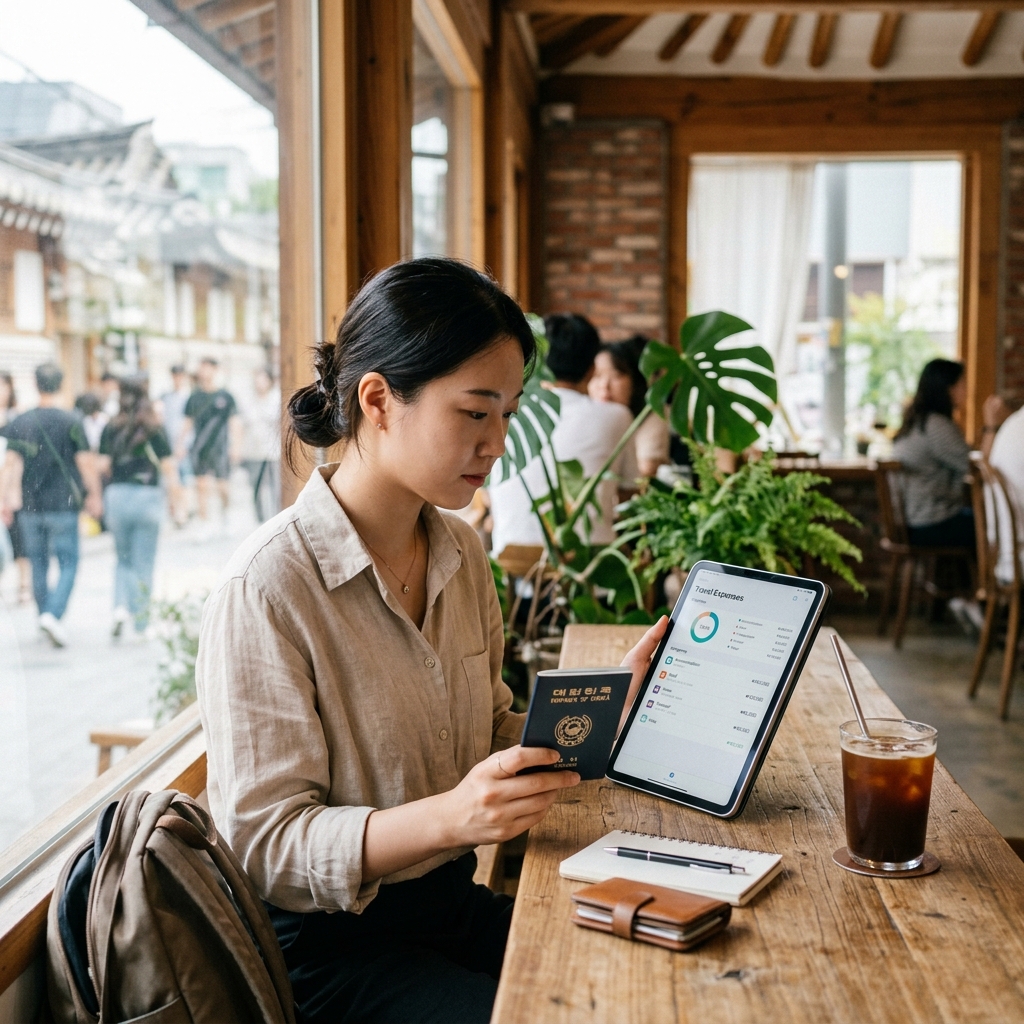
"Formulating an accurate expense calculation roadmap before flying into South Korea ensures your vacation capital is distributed efficiently across your entire calendar. While the local consumer market remains highly competitive, short-term travel costs follow stable, predictable patterns based on your target neighborhood choices, dining habits, and transport preferences."
Formulating an accurate expense calculation roadmap before flying into South Korea ensures your vacation capital is distributed efficiently across your entire calendar. While the local consumer market remains highly competitive, short-term travel costs follow stable, predictable patterns based on your target neighborhood choices, dining habits, and transport preferences. Pre-calculating these fixed expenditures protects your travel funds from sudden price shocks at checkout counters.
Based on official tourism metric logs, dividing expenditures into distinct day-count tiers isolates your real-world capital requirements.
3-Day Short Stopover Estimation Model
For independent visitors entering the capital city center for brief weekend transit breaks or business layovers, budgeting focuses on high-speed transport assets and core central sightseeing tracks.
Economy Survival Budget Tier (Excluding Base Lodging)
A minimal baseline allocation tracks at approximately KRW 45,000 to KRW 65,000 per individual day. This specific pool covers convenience store breakfasts, quick casual alley dining (such as a bowl of noodle soup or pork rice), and standard pay-as-you-go metro commutes, keeping upfront outlays compact.
Mid-Range Comfort Budget Tier
Transitioning to a comfort-focused track raises the daily calculation row to KRW 90,000 to KRW 130,000 per day. This expanded allocation fully absorbs sit-down meals (like Korean BBQ pork belly sets), specialty café visits, historic palace entry fees, and flexible taxi rides.
5-Day and 7-Day Comprehensive Vacation Budgets
Moving into extended travel windows requires tracking how cumulative expenditures scale across lodging categories and regional transport networks.
The 5-Day Core Itinerary Ledger
A standard 5-day stay represents the baseline vacation model for central Seoul exploration. Combining mid-range comfort dining with an unlimited transit card pass yields a total 5-day spending projection of approximately KRW 450,000 to KRW 600,000 per person (excluding base hotel contracts), fully absorbing standard neighborhood retail tours and souvenir checkouts.
The 7-Day Regional Cross-Country Matrix
Extending your holiday to a full week frequently involves crossing between distinct provincial clusters, such as taking high-speed rail lines from Seoul down to Busan or Gyeongju. Factoring in round-trip KTX express train tickets (~KRW 120,000) adjusts the 7-day total spending calculator to an efficiency floor of KRW 750,000 to KRW 950,000 per passenger.
Quantitative Spending Allocation Architecture
The calculator breakdown below maps out the face-value cost expectations for an adult passenger tracking a mid-range comfort style:
| Itinerary Length Tier | Expected Food Allocation | Total Transit Card Reload | Attraction & Ticket Fund | Recommended Cash Banknote Reserve |
|---|---|---|---|---|
| 3-Day Stopover | KRW 120,000 | KRW 15,000 | KRW 25,000 | KRW 50,000 (Subway Only) |
| 5-Day Vacation | KRW 220,000 | KRW 30,000 | KRW 65,000 | KRW 80,000 to KRW 100,000 |
| 7-Day Regional Loop | KRW 340,000 | KRW 50,000 (Incl. KTX) | KRW 110,000 | KRW 120,000 to KRW 150,000 |
• Real-Time Seoul Station & Myeongdong Hotel Tariffs: Check Live Rates & Member Discounts (Agoda)
• Express Airport Rail (AREX) Non-Stop Train Passes: Book Instant Mobile AREX Tickets (Klook)
HeroHaunt Tip
HeroHaunt Tip #103: To completely block unexpected currency conversion penalties during your retail shopping loops, always ensure the merchant terminal processes your card payment in South Korean Won (KRW). If the machine prompts you to charge your card in your home currency, it activates Dynamic Currency Conversion (DCC), adding a hidden 4% to 8% markup.
HeroHaunt Korea Guide
HeroHaunt Korea Guide: Once your travel party establishes the baseline budget brackets using our calculator, identifying the exact neighborhood node to anchor your lodging completes your financial optimization layout.
Related Guide: Review our comprehensive Where Should You Stay in Seoul? Myeongdong vs Hongdae vs Gangnam to compare real hotel tariffs and transit efficiency scores across the city's top hospitality nodes.
Frequently Asked Questions (FAQ)
Q1: What is the average cost of a standard lunch meal in central Seoul?
Based on current restaurant merchant tracking registries, a single serving of a standard lunchtime dish (such as a bowl of Bibimbap or Kimchi stew) settles between KRW 9,000 and KRW 13,000. Premium dinner options like Korean BBQ average KRW 18,000 to KRW 25,000 per portion.
Q2: Does the public transport grid apply extra fees for cross-line transfers?
No. The integrated transit software allows up to four transfers between subways and municipal buses completely free of charge, provided you scan your card across the turnstile gates within a strict 30-minute moving window.
Q3: Is tap water complimentarily provided at restaurants in Korea?
Yes. Based on deeply integrated local service traditions, all standard dining establishments and casual eateries provide filtered drinking water and a variety of basic side dishes (Banchan) completely free of charge alongside your main order.
Q4: How much money does a one-way economy KTX bullet train seat to Busan cost?
The official government-regulated one-way adult tariff for a standard economy seat on the high-speed KTX train from Seoul Station to Busan Station is exactly KRW 59,800, with trains dispatching consistently throughout the day.
Q5: Are international credit cards accepted at traditional street food markets?
While established brick-and-mortar retail stores process credit cards seamlessly, independent outdoor food stalls operating in historical zones like Myeongdong or Gwangjang Market heavily prefer physical cash Won banknotes or local prepaid card taps.


Comments
Post a Comment